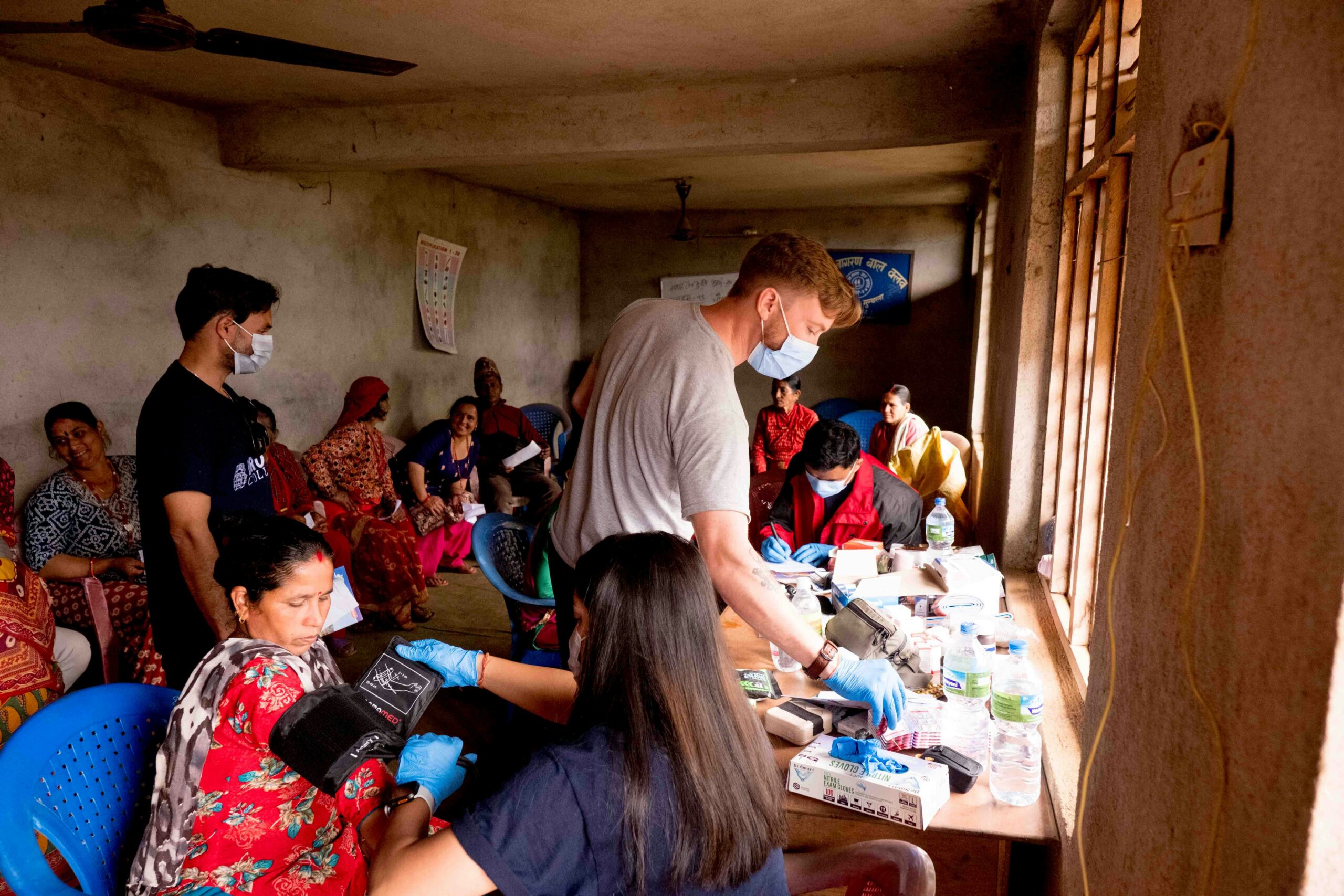
Medical volunteerism plays an important role in creating healthier communities and supporting stronger public health systems. When doctors, nurses, medical students, and other health professionals volunteer their time and skills, they help people who may have limited access to healthcare. Their efforts can reduce health gaps, improve health education, and strengthen the ability of communities to respond to health challenges.
Public health depends on more than hospitals and clinics. It also requires community involvement, prevention, education, and early access to care. Medical volunteers contribute to each of these areas while building trust between healthcare professionals and the people they serve.
Expanding Access to Essential Healthcare
One of the most important benefits of medical volunteerism is improved access to healthcare. Some communities face shortages of healthcare professionals, limited medical facilities, or financial barriers that make regular care difficult. Volunteers can help fill these gaps by providing screenings, basic treatment, health consultations, and referrals.
Volunteer medical services can also reach people in schools, community centers, shelters, rural areas, and other locations where traditional healthcare services may be limited. By bringing care closer to people, volunteers can encourage individuals to seek help before minor health concerns become more serious problems.
Greater access to basic healthcare supports the larger public health system because early treatment can reduce pressure on hospitals and emergency services.
Supporting Disease Prevention and Health Education
Prevention is a major part of effective public health. Medical volunteers can educate communities about healthy habits, vaccination, hygiene, nutrition, exercise, and disease prevention. Simple and accurate information can help people make informed decisions about their health.
Health education is especially valuable when communities face misinformation or misunderstandings about medical conditions. Volunteers can explain health information in clear language and answer questions directly. These conversations can improve awareness and encourage people to take preventive action.
When individuals understand how diseases spread and how they can protect themselves, the entire community can benefit. Medical volunteerism therefore supports public health not only by treating illness but also by helping prevent it.
Building Trust Within Communities
Trust is essential for a strong healthcare system. People are more likely to seek medical care, follow health advice, and participate in prevention programs when they feel respected and understood.
Medical volunteers can build trust by working directly with community members and listening to their concerns. Volunteers who understand local needs can provide care in a way that is respectful of different cultures, experiences, and circumstances.
These relationships can become particularly important during public health emergencies. When people already trust healthcare professionals and community organizations, they may be more willing to receive accurate information and follow recommended safety measures.
Strengthening the Healthcare Workforce
Medical volunteerism can also strengthen the healthcare workforce by giving students and professionals opportunities to gain practical experience. Medical students and early-career professionals can develop communication, teamwork, leadership, and problem-solving skills while serving communities.
Experienced healthcare professionals can also share knowledge with volunteers and local organizations. This creates opportunities for mentoring and professional development. Over time, these experiences can encourage more healthcare workers to remain engaged with community health and underserved populations.
A stronger connection between healthcare professionals and communities can help public health programs become more responsive to local needs.
Improving Community Health Preparedness
Public health systems must be prepared for emergencies such as disease outbreaks, natural disasters, and other community health threats. Medical volunteers can provide valuable support during these situations.
Volunteers may assist with health screenings, emergency clinics, vaccination programs, public education, and other essential services. Their involvement can increase the available workforce when healthcare systems experience sudden demand.
Medical volunteerism can also help communities develop stronger networks before an emergency occurs. Connections among healthcare professionals, nonprofit organizations, schools, and community groups can make communication and coordination easier during a crisis.
Creating Long-Term Public Health Benefits
The value of medical volunteerism extends beyond individual appointments. A volunteer may help one person receive needed care, but that interaction can also encourage better health habits, increase awareness, and connect the individual with long-term healthcare resources.
Community organizations can use volunteer partnerships to develop lasting health programs. These programs may focus on preventive care, chronic disease awareness, maternal health, mental wellness, or other local priorities.
When volunteer efforts are organized responsibly and connected with existing healthcare services, they can complement professional medical systems rather than replace them. This cooperation creates a broader network of support for community health.
A Shared Commitment to Healthier Communities
Medical volunteerism strengthens public health by expanding access to care, supporting prevention, building trust, developing healthcare skills, and improving emergency preparedness. Its impact is greatest when volunteers work alongside established healthcare providers, public health agencies, and community organizations.
A strong public health system depends on cooperation. Medical professionals who share their knowledge and time can help communities become better informed, better prepared, and more connected to healthcare resources. By encouraging service and collaboration, medical volunteerism can contribute to healthier communities and a more resilient healthcare system for years to come.